


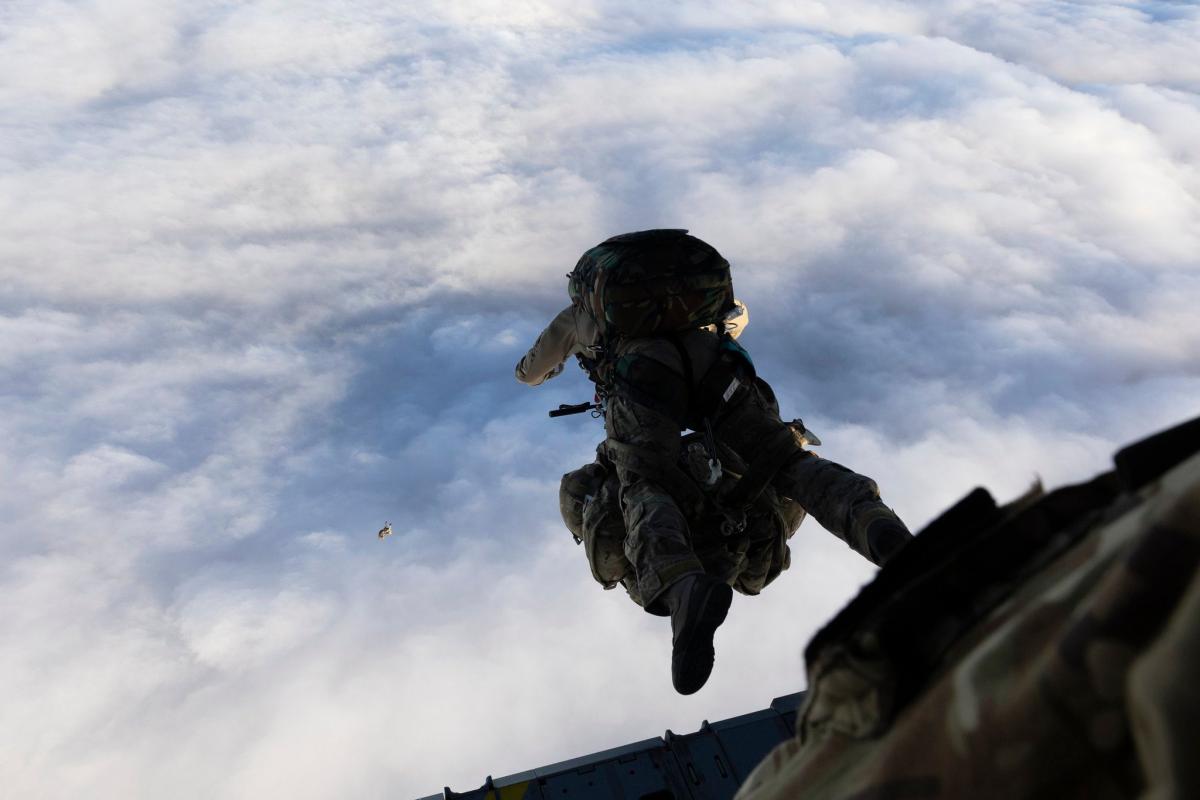

A specialist army team from Essex has parachuted onto an island to deliver critical medical support amid concerns over a British national suspected of having hantavirus.
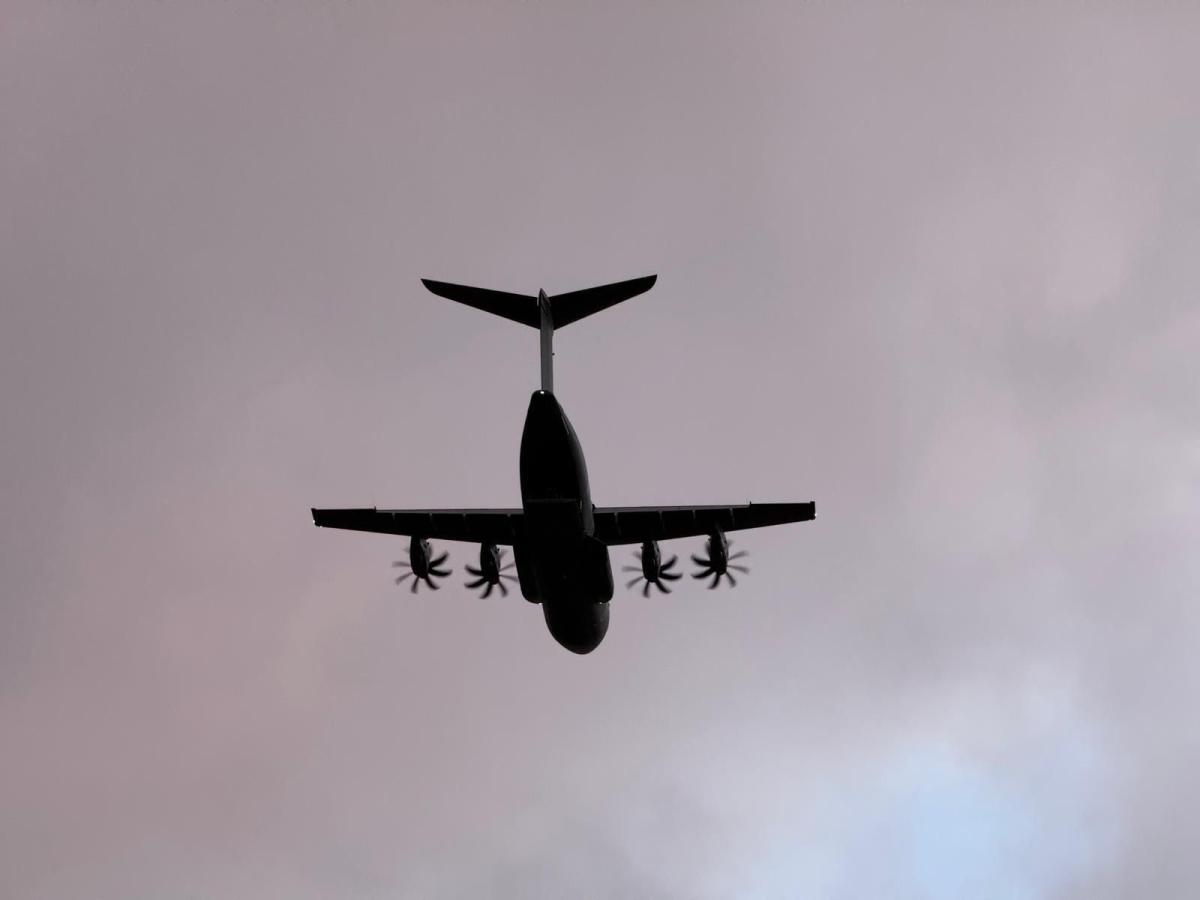
The team of six paratroopers and two military clinicians, all from 16 Air Assault Brigade, based in Colchester, parachuted from an RAF A400M transport aircraft.
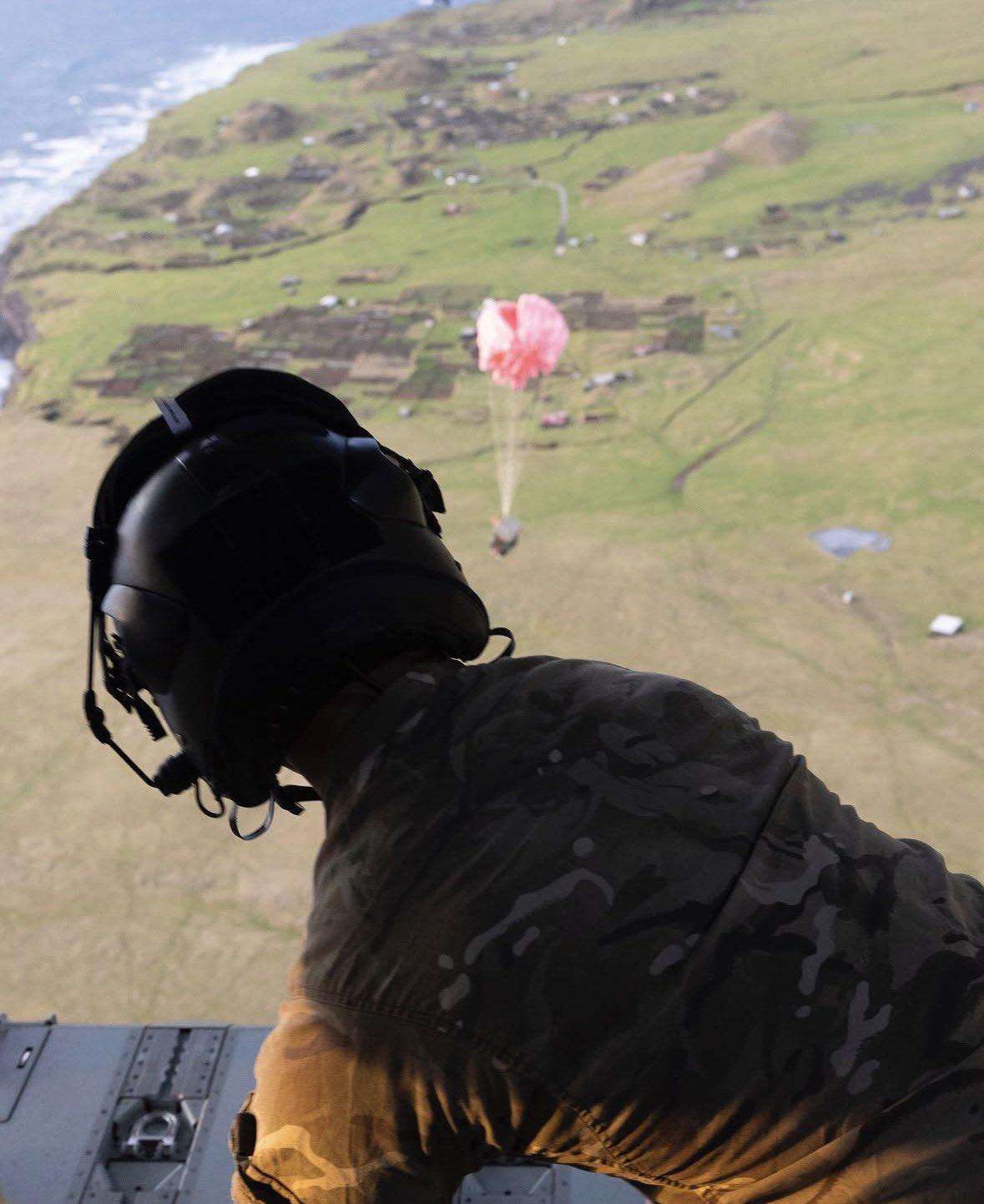
Meanwhile, vital oxygen supplies and other medical aid were air-dropped almost simultaneously onto the remote island.

This operation is the first time the UK military has inserted medical personnel to provide humanitarian support via a parachute jump, demonstrating how the military can deploy at very short notice across the world on a range of tasks.
Tristan da Cunha, a group of volcanic islands in the South Atlantic Ocean, is Britain's most remote inhabited overseas territory.
It is accessible only by boat, has no airstrip, and has a population of 221 people.

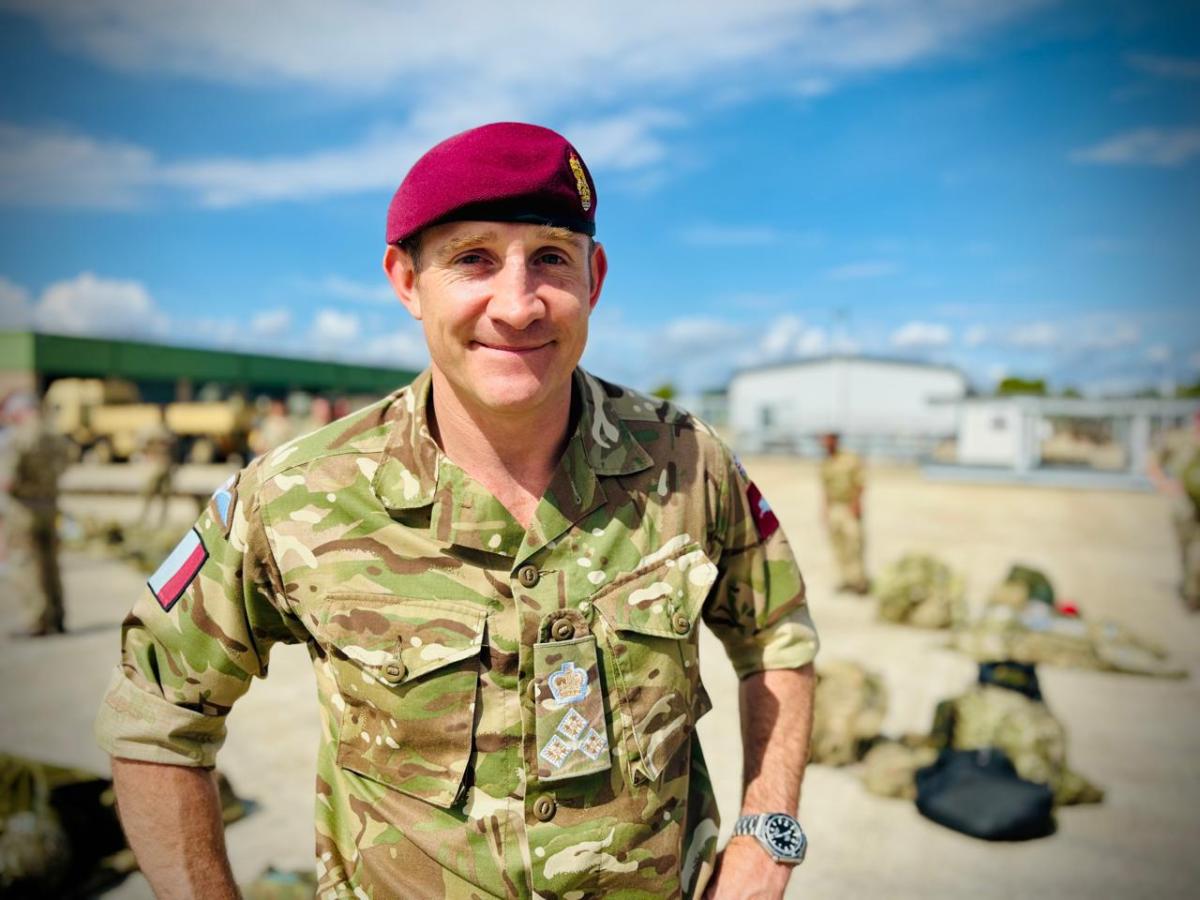
Brig Ed Cartwright, Officer Commanding 16 Air Assault Brigade said: “This was a joint effort with the Royal Air Force and highlights the speed, reach and utility of parachuting.
“The arrival of paratroopers, medical personnel and medical supplies from the sky has hopefully reassured the people of Tristan da Cunha.”
Foreign Secretary, Yvette Cooper said: “I am deeply grateful to the personnel across the Armed Forces and the RAF who acted at pace to get urgent medical support to Tristan da Cunha.
"This extraordinary operation reflects our unwavering commitment to the people of our Overseas Territories and to British nationals, wherever they are.
Read more
Army and RAF complete biggest military parachute jump in UK for 10 years
Colchester troops train with French soldiers in 'historic' military exercise
Colchester-based soldiers play role in building British and Japanese partnership
"The safety and well-being of all members of the British family is our number one priority.
“We will continue to work closely with international authorities and the Tristan da Cunha administration, keeping those affected informed and ensuring the right support is in place in the UK and across the Overseas Territories.”

With oxygen supplies on the island at a critical level, an airdrop with medical personnel was the only method of getting vital care to the patient in time.
The operation will also ensure the resilience of wider healthcare on the island by supporting Tristan da Cunha’s two-person medical team.
The military team flew 6,788 km from RAF Brize Norton to Ascension Island.
The aircraft then proceeded to fly over 3,000 km to Tristan da Cunha, where the personnel parachuted onto the island. They were supported by an RAF Voyager aircraft to refuel the A400M mid-air.
The mission comes as the UK government continues to work with international authorities to respond to the outbreak of hantavirus from the MV Hondius cruise ship.
British nationals are being repatriated from the MV Hondius to the UK via a special chartered flight. None of the British citizens who are being repatriated have reported symptoms but are being closely monitored.
All British passengers and crew on board the MV Hondius are being isolated for 45 days upon returning to the UK and UKHSA is closely monitoring these individuals, with testing as required.
Follow up is underway for individuals who may have been in contact with cases and have since returned to the UK or are in in UK Overseas Territories. The UK government will ensure those self-isolating are given appropriate support.
The Ministry of Defence has worked with UKHSA to provide vital diagnostic supplies, including polymerase chain reaction (PCR) tests, which were delivered to Ascension Island via a military plane on 7 May.
What is Hantavirus?
Hantavirus is a group of viruses carried by rodents, such as mice, rats and voles, found in many parts of the world.
People usually become infected through contact with rodent urine, droppings or saliva, often by breathing in contaminated dust. Infection can cause anything from mild flu-like illness to life-threatening lung or kidney disease, depending on the strain.
The risk to the general public remains very low.


Share