





OVER the next week the nation will celebrate the importance and impact of science, technology, engineering and maths and how human connection elevates each field.
In Essex, we are blessed in abundance with a whole host scientific experts who are spearheading world-leading research.
And many of them are based at the University of Essex.
Every day the institution’s psychologists, biologists, robotic researchers and social scientists dedicate every day to pioneering developments and break-throughs.
But who exactly are they and how are they working to improve the world as we know it? In celebration of this year’s British Science Week, we decided to find out.
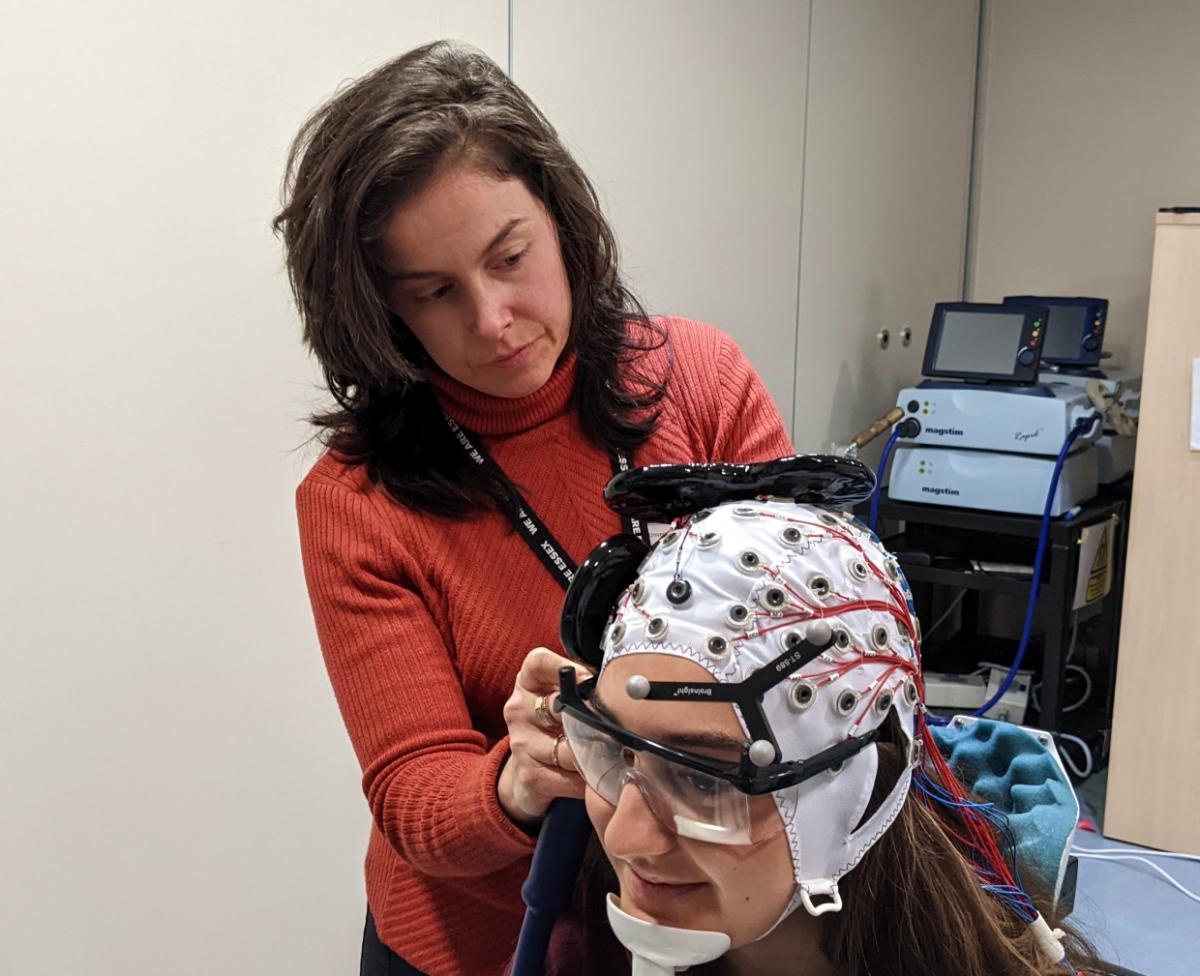
Dr Alex Sel is a psychologist paving the way for new stroke treatments by strengthening connections inside the brain.
Pioneering magnetic stimulation to boost neural connections, Dr Sel uses the technique to help combat conditions that impact neural plasticity – where the brain changes and grows.
This could see the damage caused by some degenerative illnesses halted, including Motor Neuron Disease.
Dr Ben Jones, meanwhile, is a sports scientist and former professional rugby player exploring the links between concussion and the grassroots game.
Partnering with Colchester Rugby Club, Dr Jones has studied their first team across the entire season to measure impacts and their effect on health.
A spokesman for the University of Essex said: “It is hoped the study will transform player safety across the globe.”
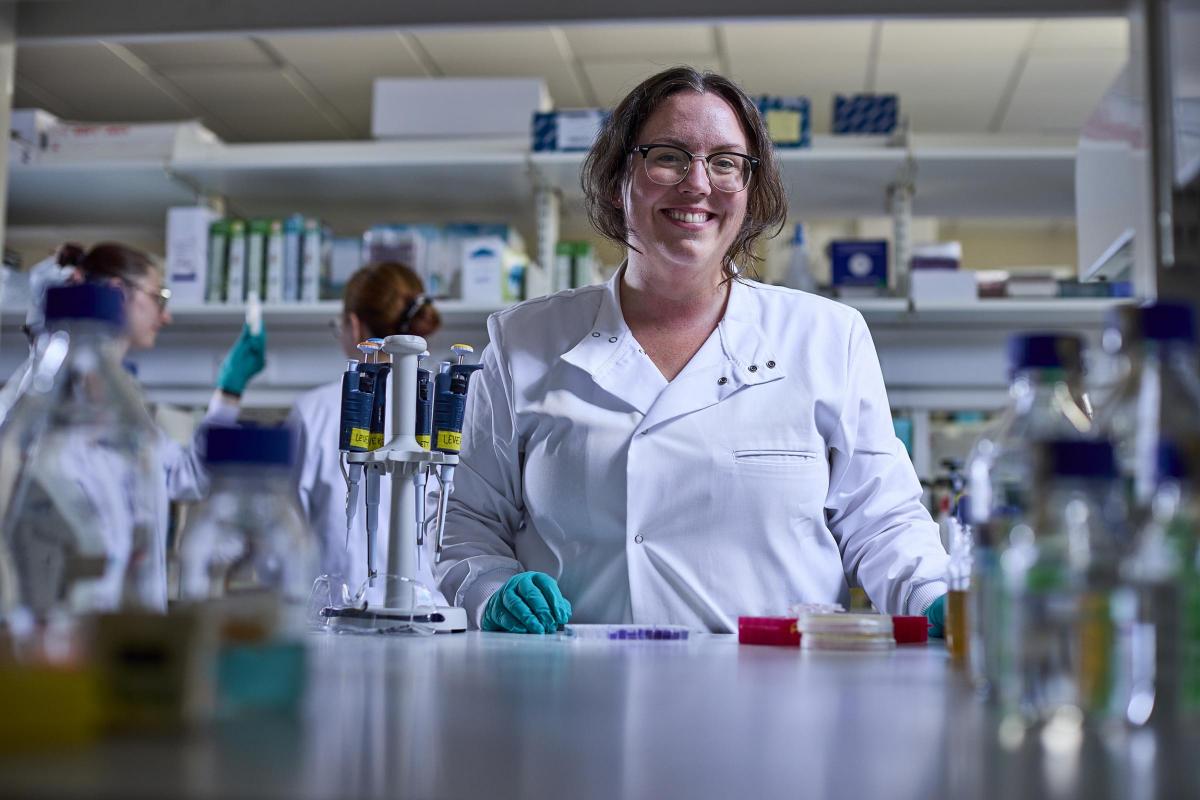
Expert Greg Brooke, on the other hand, is investigating the genetic differences that underpin the higher rates of prostate cancer in black men.
His project has been funded as part of Prostate Cancer Research’s racial disparities research programme, aimed at addressing the health inequalities in prostate cancer.
Elsewhere, the work of robotics expert Dr Vishuu Mohan focuses on the challenges of building intelligent machines for a wide range of different uses.
He is currently working with Wilkin and Sons in Tiptree to develop a prototype robot that is able to identify when a strawberry is ripe and then pick the fruit.
Plant scientist Dr Amanada Cavanagh spends her days at the university developing strategies to improve crop performance in response to our changing climate.
She is part of an international $34 million project which is looking to improve the biological processes of crops to improve crop productivity.
Finally, aquatic ecologist Dr Anna Sturrock researches how different ecosystems and habitats are connected by animal movement.
A spokesman for the University of Essex added: “Her main focus is on fish where she tracks fish movements so she can reconstruct their lifetime movements and health.
“She also co-leads a working group for SEA-UNICORN to design and apply research effectively to help the conservation and sustainable management of the seas.”


Share